From cacao bean to chocolate bar
Five millennia of gourmet history — and an idea inspiring tomorrow's coffee
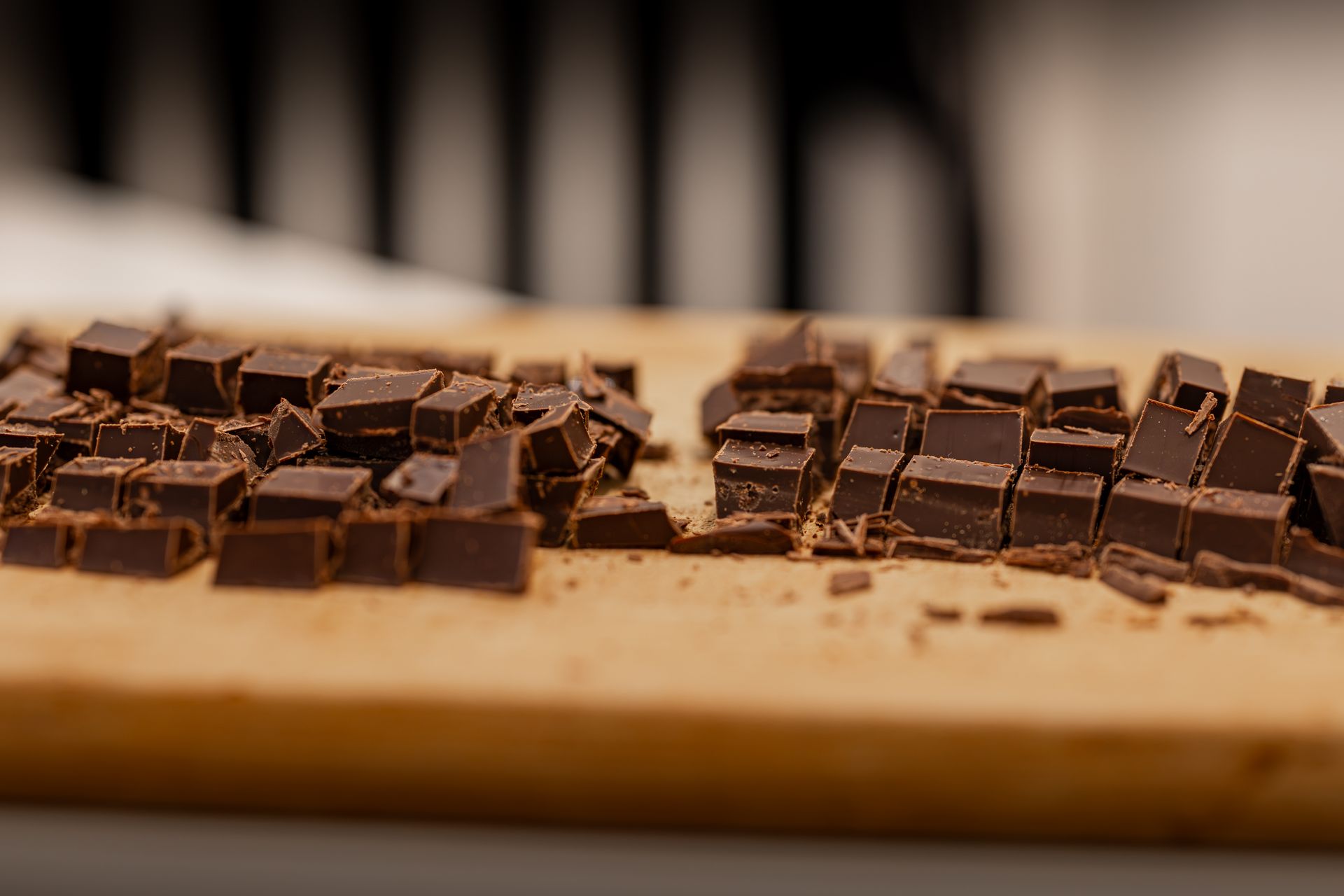
The chocolate we bite into today has not always looked like this. Long reserved for rituals, royal courts and then nineteenth-century factories, it eventually became a solid square — portable and instantly enjoyable. This millennia-long journey raises a simple question: what if coffee followed the same path?
Origins: a sacred drink in Mesoamerica
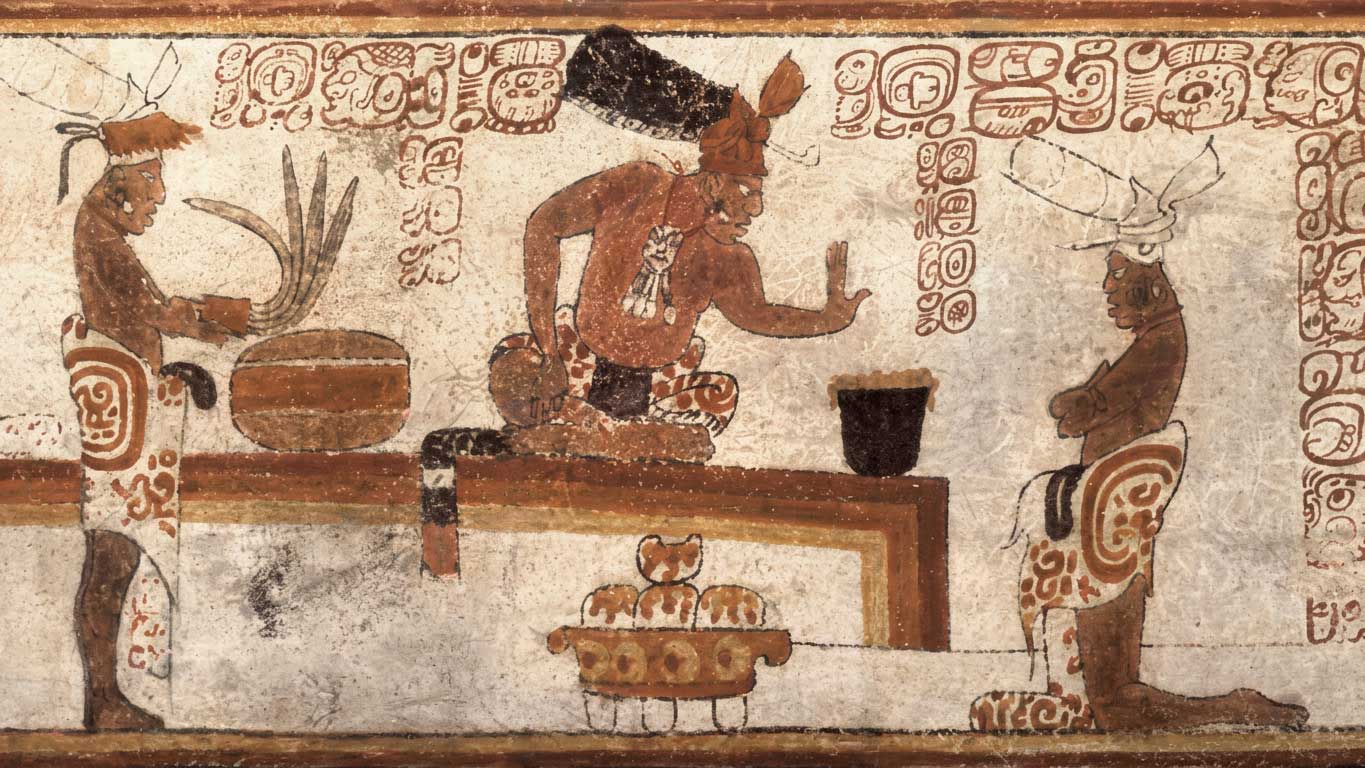
The story of cacao goes back more than five thousand years. In the tropical forests of Central America, early civilisations learned to harvest, ferment and roast beans to produce a powerful, bitter and spiced drink — far removed from the sweet square we know today.
Among the Maya, cacao held both social and symbolic weight. Reserved for elites and ceremonies, it accompanied rituals, sealed exchanges and sometimes travelled as a precious offering. The Aztecs later pushed this logic further: beans also served as currency, while the drink was associated with strength, celebration and power.
At that time, cacao was neither portable nor 'biteable' in the modern sense. It was a ritual liquid, prepared on site and consumed slowly — a luxury of the moment, not yet a pocket-sized product.
Europe discovers cacao and sweetens it
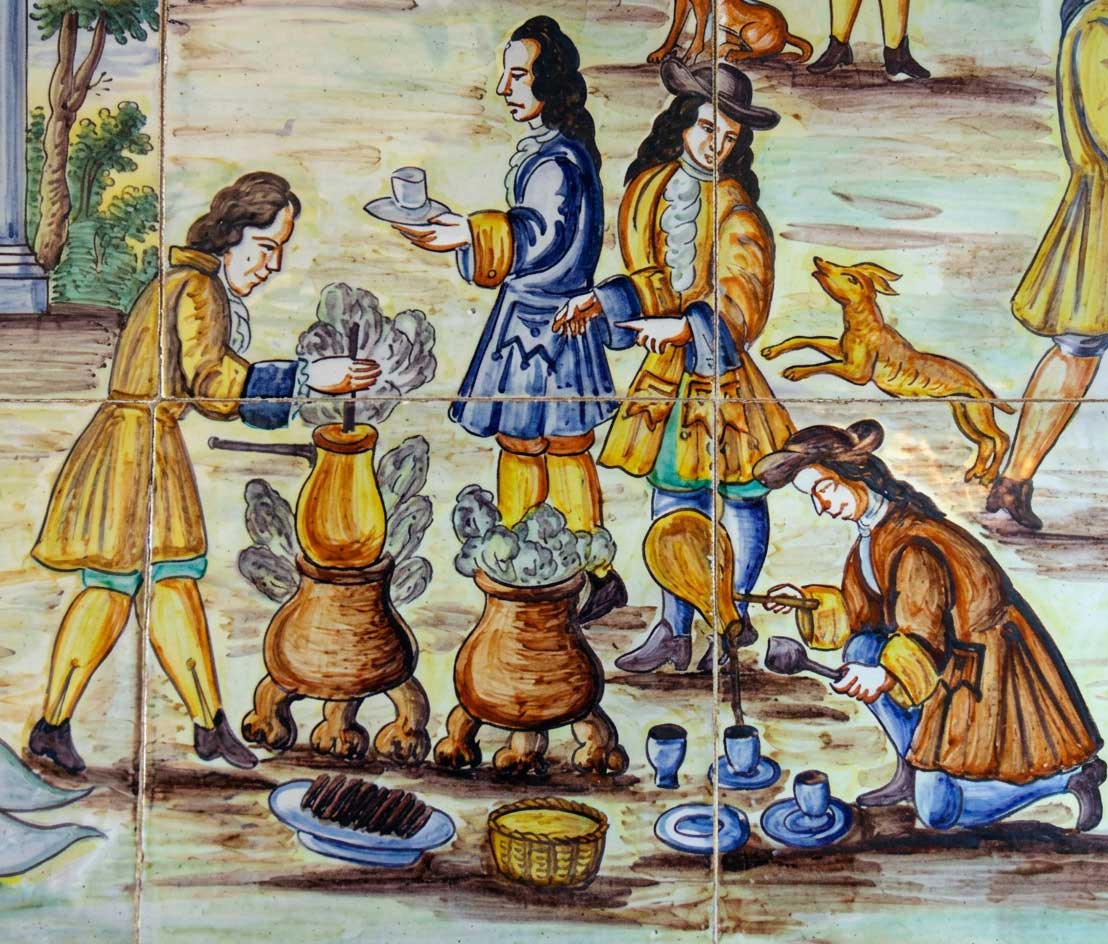
In the sixteenth century, European navigators brought cacao to the Old World. Initially met with caution because of its bitterness, it was quickly reinvented: sugar, honey, vanilla and spices turned the drink into a delicacy sought after in Spanish and then French palaces.
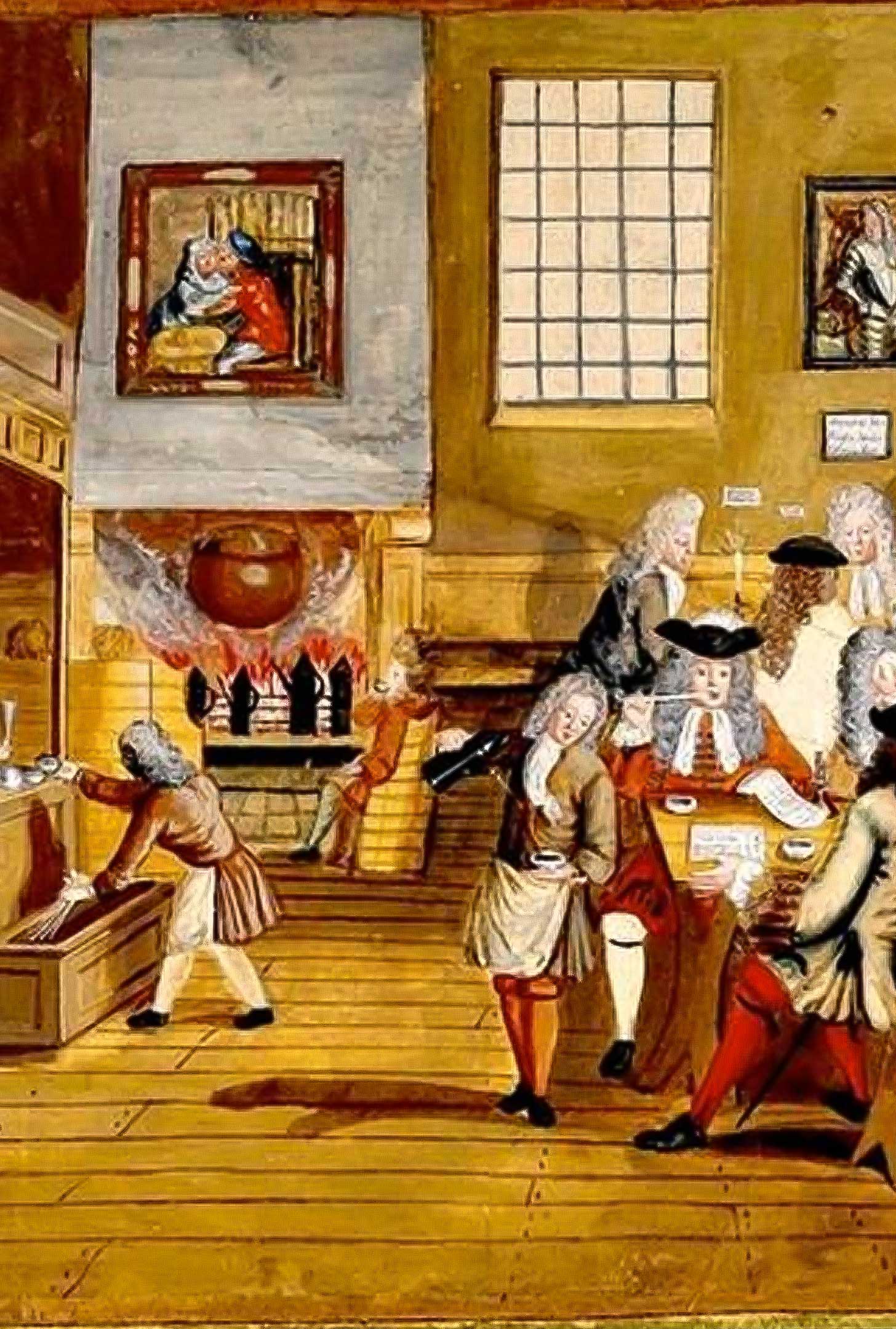
As chocolate entered Europe's courts, it became a marker of distinction. Aristocratic salons, princely breakfasts, hushed conversations: cacao gained refinement and moved away from its bitter roots.
For another two centuries, chocolate remained mainly a drink. Delicious, prestigious, but tied to a moment, a service, a cup — not yet food you could take anywhere.
The nineteenth century: the bar revolution
Everything changed in the nineteenth century when technical innovations made chocolate more accessible and, crucially, more stable. Separating cocoa butter from cocoa mass paved the way for more consistent powders and pastes, while the first solid bars appeared in the 1840s.
Adding milk a few decades later broadened the audience: chocolate was no longer only a courtly drink, it became an everyday treat. Factories multiplied, recipes standardised, taste spread.
This was the decisive moment: cacao left the cup to become a solid, portioned, packaged product. Something you could slip into your pocket, gift, share and bite without preparation — a true revolution in gourmet mobility.
From the twentieth century to today: texture, variety, global reach
In the twentieth century, chocolate entered the era of mass production and sensory refinement. Conching, tempering, ganaches, pralines, dark or milk bars, single-origin releases: the category exploded in textures and intensities.
The chocolate square became a universal language. Dessert, gift, personal ritual, square of comfort: everywhere in the world, it is recognised, carried and enjoyed without equipment.
In five millennia, cacao went from a ceremonial drink to a nomadic food. That trajectory changed our relationship with pleasure: making something intense, concentrated and portable that was once immobile.
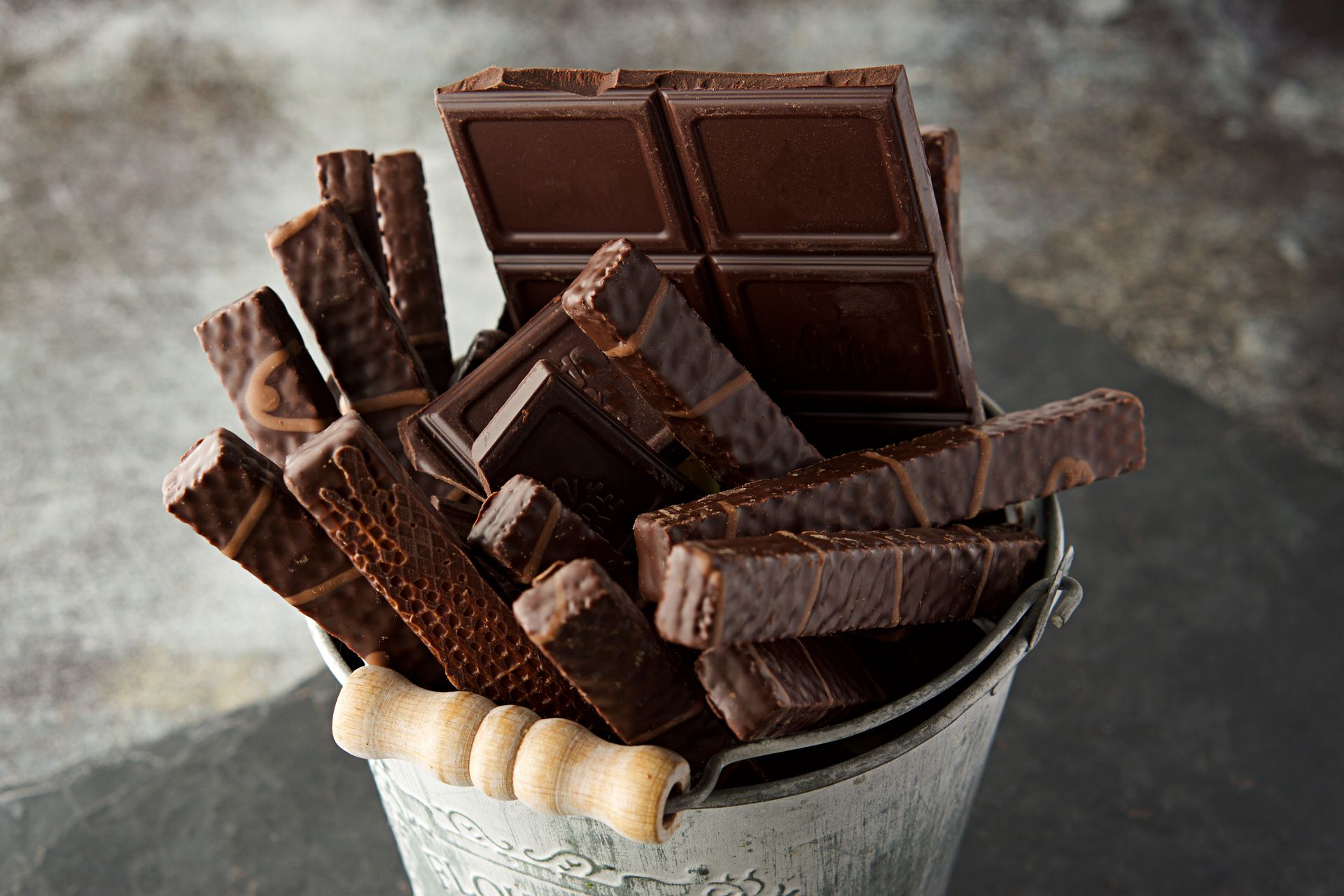
France, a land of exceptional chocolate
In France, chocolate became an art in its own right. Pastry chefs, chocolatiers and craft houses shaped a demanding culture of taste, where bean quality, tempering finesse and creative blending matter as much as tradition.
From this French exacting spirit came a strong expectation: a gourmet product must also be beautiful, precise and memorable. It is in this spirit that Tintico looks at chocolate history — not to copy it, but to learn its lesson of format.
The Tintico idea
What if coffee became portable, solid and gourmet too?
For centuries, coffee remained a cup affair: grind, heat, brew, wait. Convenient at home, less so on the move. Chocolate solved that paradox long before us by becoming solid.
Tintico takes that intuition and applies it to coffee: transforming the essence of the bean into a bite-sized tablet — concentrated, elegant and ready to carry. No machine, no water, no waiting — just coffee pleasure wherever you are.
Just as the chocolate bar democratised cacao without betraying its intensity, the Tintico tablet aims to make coffee mobile without diluting it: a gourmet square designed for your pocket, desk, journey and sharing.
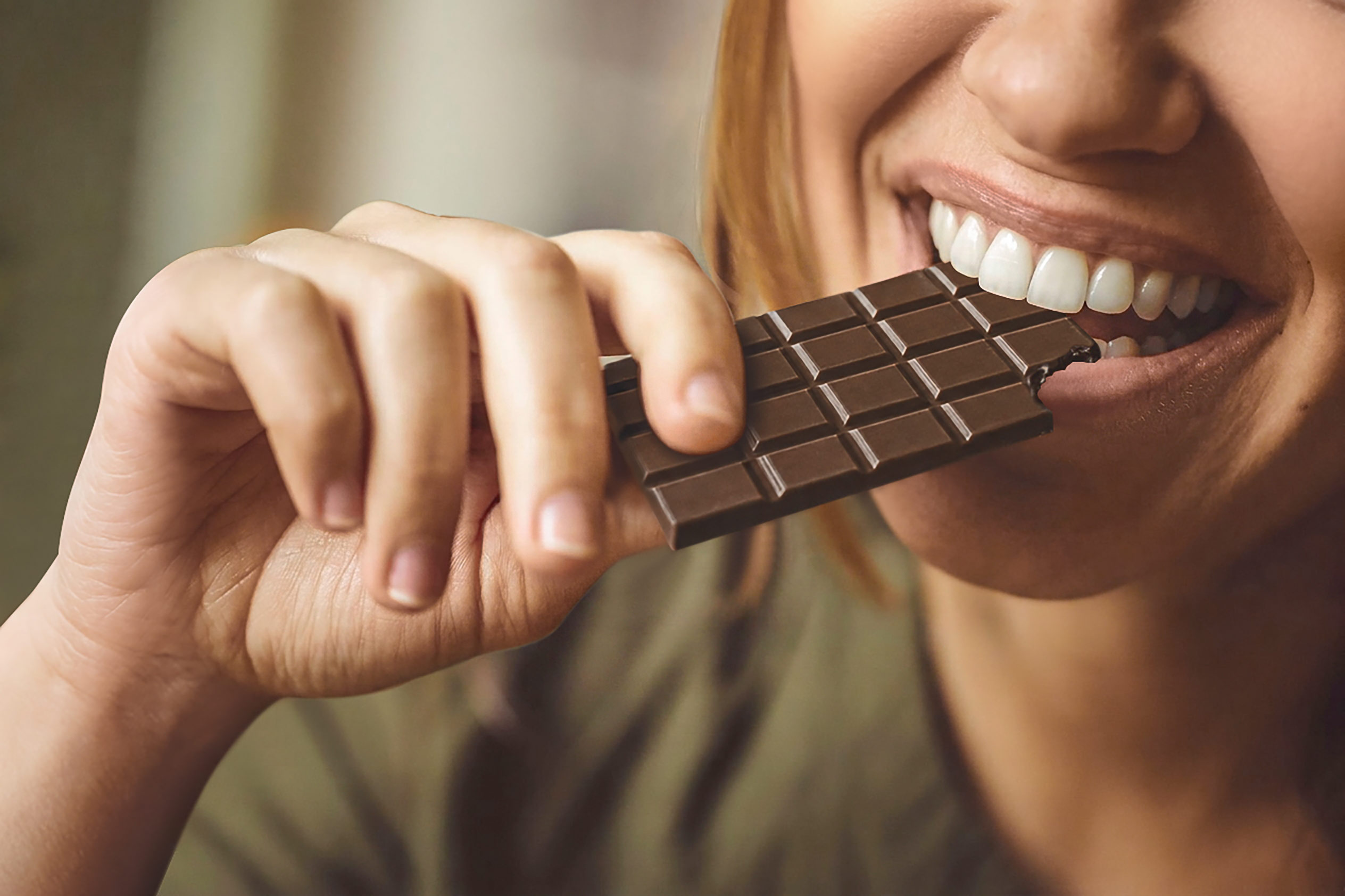
Chocolate took five thousand years to become a portable square. Coffee can enter the era of solid gourmet pleasure too.
The history of cacao reminds us that a sacred product can become universal when it finds the right form. That conversion — from ritual to object, from preparation to bite — guides Tintico's vision.
Behind every coffee tablet lies a simple ambition: to give coffee the same freedom of movement chocolate conquered more than a century ago, with the gustatory standards we expect today.
Taste the next chapter
Discover our coffee tablets and be surprised by a format as simple as it is unexpected.